





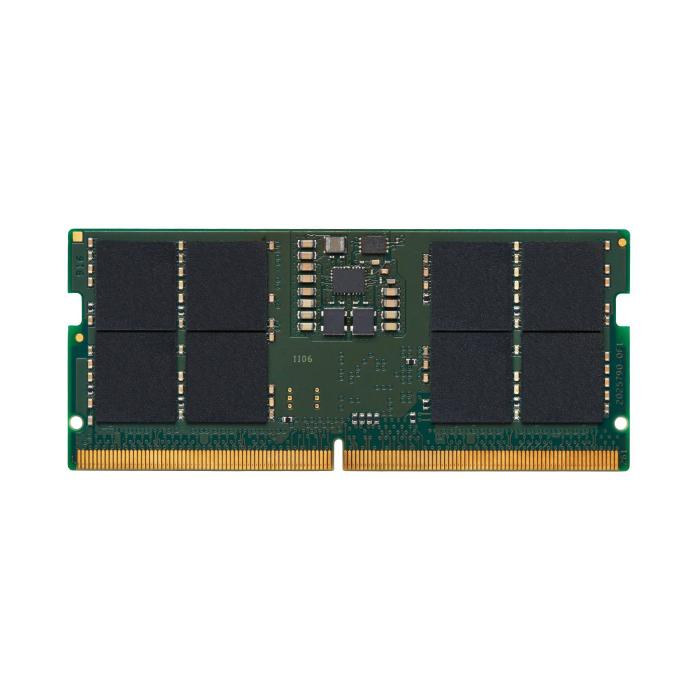
RAM Memory: Why Is It So Expensive? Is There a Shortage?
21 September 2026
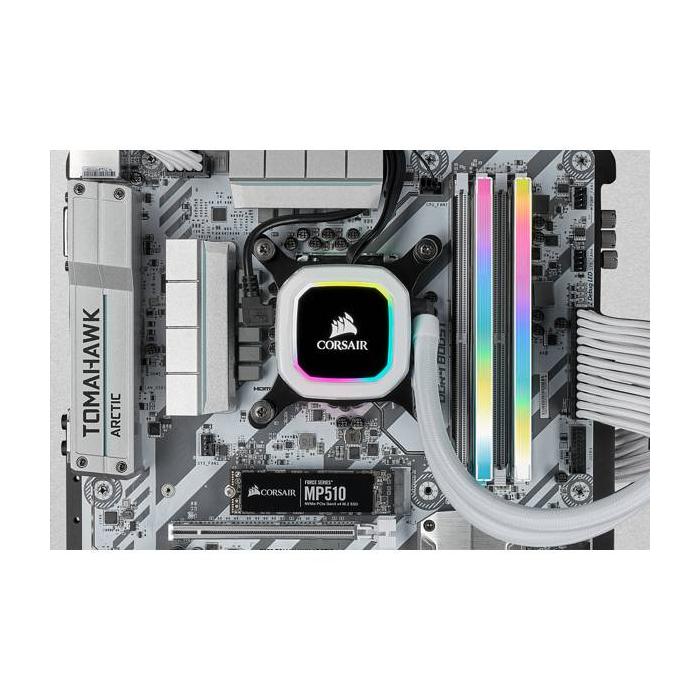
In recent months, the price of RAM memory has experienced a significant increase, which has had a direct impact on the cost of computers, affecting consumers, PC integrators and specialist shops.
We can see how many kits, even mid-range ones, have increased in price, which generates some concern: are we facing a one-off increase or a global RAM memory shortage crisis?
It is difficult to give a simple answer, as the analysis includes a wide variety of factors on a global scale, but everything points to it being something more than a one-off change.
RAM price increases: what is happening in the market?
The RAM memory market has been showing a clearly upward trend since the end of 2024. According to data from sector analysts, the average price of DRAM has risen between 25% and 45% year-on-year, depending on the type of module and the capacity. In some specific cases, such as high-frequency DDR5 kits, the increases even exceed 50%.
This increase has a direct impact both on the end consumer, who sees upgrades or equipment renewals become more expensive, and on specialist shops, which must raise prices or work with tighter margins.
The general feeling is one of instability in the market, something that had not been seen with such intensity since previous semiconductor crises.
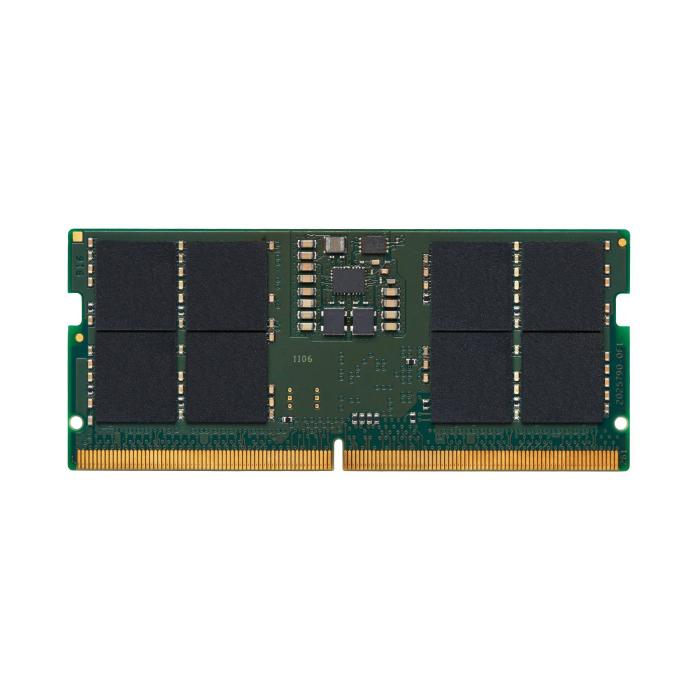
Four reasons why RAM memory is going up in price
1. The rise of Artificial Intelligence and demand in data centres
The expansion of artificial intelligence, machine learning and cloud services has skyrocketed the demand for RAM memory on a large scale.
Servers dedicated to artificial intelligence use a lot of memory, far above that of home-use PCs.
As these are wholesale sales, the large manufacturers prioritise supply to data centres and large companies in the sector, which account for a large percentage of their revenue. This leaves the consumer market in the background.
2. Reduction in the supply of traditional DRAM
Another key factor is the change in production. Many manufacturers have reduced the production of traditional DRAM (DDR4 and DDR5) to focus on higher value-added memories, such as HBM (High Bandwidth Memory), essential for GPUs and AI accelerators.
This point, added to the previous one, means that conventional modules for home use have lower availability, which usually generates an upward trend in prices due to limited supply, even if demand does not experience peaks.
3. Dynamic pricing and speculation
The fixed pricing model has been left behind in many shops, which make changes based on their stock, demand and forecasts.
This system generates a psychological effect of price increases, which ends up being real due to speculation when the limitation of supply is detected.
4. Market controlled by few manufacturers
Global RAM memory production is mainly concentrated in three companies, which control more than 90% of the market: Samsung, SK Hynix and Micron.
This means that any strategic decision has a direct and almost immediate impact on the market and global prices.
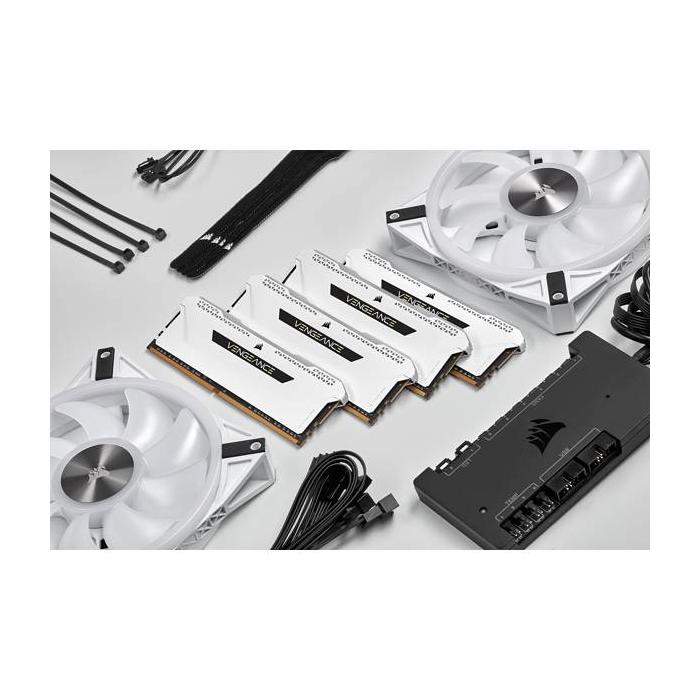
Is there really a RAM memory shortage?
The quick answer is that there is indeed a shortage, especially in consumer-oriented modules, which with the rise of artificial intelligence are less profitable for manufacturers, so they have been pushed into the background.
Lower availability of certain models, delays in stock replenishment and unstable and changing prices can already be seen. It is not a total absence of product, but a selective shortage that unbalances the market.
When could RAM prices fall?
Forecasts are not too optimistic in the short term. For this to happen, some important circumstances must first occur, such as new factories coming into operation, the slowdown in demand from data centres and the recovery of stock.
Everything points to 2026 and 2027 possibly continuing to be complex years in terms of prices.
Tips for buying RAM at a time of high prices
In this context, some useful tips can help you make smart purchases.
-
Analyse your real needs. More RAM or more MHz does not always translate into better performance.
-
Opt for balanced capacities (16 GB or 32 GB is enough in most cases) and reasonable frequencies.
-
Consider the option of looking for refurbished or second-hand modules, always with reliable sellers.
If you are looking for RAM memory with availability and at a good price, we have it. At Probyte, we offer you the greatest availability and the best prices. In such an unstable market, a reliable supplier can make the difference, especially in times of shortage, when buying from shops with real stock and constant rotation is key to avoid paying too much.
Latest posts

Philips 7000/12: 43" 4K Smart TV with Wifi | Probyte
26 September 2026
Introduction The Philips 7000/12 is a 43-inch (109.2 cm) television that combines 4K Ultra HD resolution, Wifi connectivity and Smart TV features in an elegant black design. If you're looking for a
Read more
LG 27TQ615S-WZ Smart TV 27'' Full HD | Probyte Deal
26 September 2026
Looking for a compact TV with all the features of a larger model? The LG 27TQ615S-WZ packs 27 inches, Full HD, webOS and WiFi into an elegant white design for kitchens and bedrooms.
Read more
16GB vs 32GB vs 64GB RAM: which is worth it?
21 September 2026
More isn't always better: choosing the right RAM depends on how you use your PC, not just on having more capacity. The key is balancing performance, usage and future-proofing to avoid paying over the odds.
Read more