





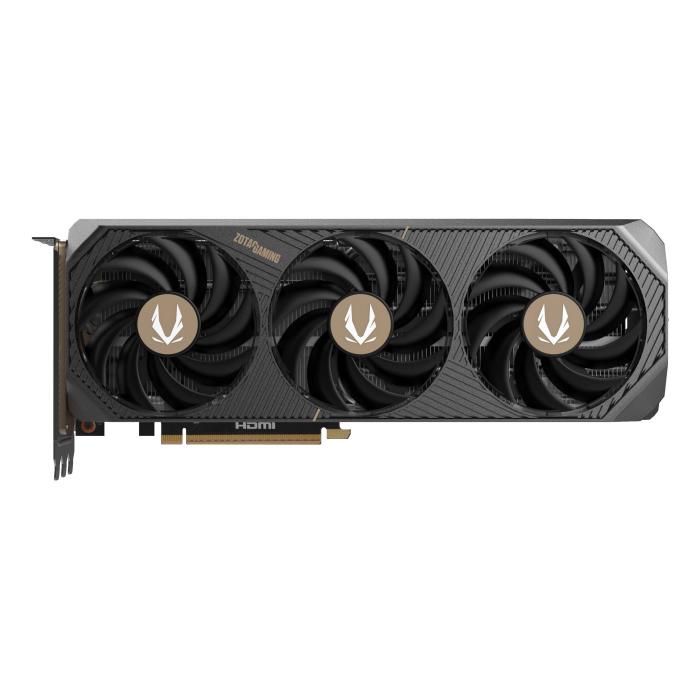
RTX 5080 vs RTX 4090: Which one to pick in 2026?
4 September 2026
The arrival of NVIDIA's RTX 50 series has reignited a debate we had been waiting to hear: is a new RTX 5080 better than a previous-generation RTX 4090? If you are thinking of upgrading your computer for gaming, AI work or video editing, this comparison will clear things up for you.
I am not going to beat around the bush: the RTX 4090 is still a beast, but the RTX 5080 brings some new tricks up its sleeve. The decision is not as obvious as it seems, because it depends on what you value most: raw power, efficiency or exclusive technologies. Let's break down each section so you can choose wisely (and with your wallet in mind).
Gaming performance: who comes out on top in fps?
Here is the crux of the matter. When it comes to gaming, the RTX 4090 remains the undisputed queen of pure rasterisation. In titles like Cyberpunk 2077 or Alan Wake 2 at 4K, the advantage in favour of the 4090 sits at around 10-15% without upscaling. However, the RTX 5080 is no slouch: it performs on par with the 4090 in many games, but with considerably lower power draw.
Performance at 1080p and 1440p
At lower resolutions, the RTX 5080 performs brilliantly. At 1080p, the CPU is usually the bottleneck, so you will not notice much of a difference. At 1440p, the RTX 5080 closes the gap on the 4090, even edging ahead in some titles when DLSS 4 is enabled, which is exclusive to the 50-series. That said, without upscaling technologies, the 4090 still delivers a few more frames per second.
Performance at 4K
It is at 4K that the RTX 4090 really flexes its muscles. With 24 GB of memory and a 384-bit bus, it handles the heaviest textures without breaking a sweat. The RTX 5080 has 16 GB and a 256-bit bus, which in theory limits it at extreme resolutions. Even so, with DLSS 4 and multi-frame generation, the RTX 5080 can match or even surpass the fps of the 4090 in compatible games. The catch is that not all games take advantage of the new technology.
Architecture and technologies: the advantage of the 50 series
The RTX 5080 is built on the Blackwell architecture, which introduces significant improvements to tensor cores and ray tracing. The big novelty is DLSS 4, with the Multi Frame Generation feature that generates up to 3 additional frames for every rendered frame, tripling smoothness. The RTX 4090, with its Ada Lovelace architecture, remains on DLSS 3, which only generates 1 extra frame. This is a huge change for gaming and AI applications.
DLSS 4 vs DLSS 3: is the leap worth it?
If you are the type who plays with all settings maxed out, DLSS 4 will leave you speechless. Smoothness in titles like Black Myth: Wukong or Star Wars Outlaws skyrockets, and image quality surpasses the previous generation. The RTX 4090 cannot take advantage of these benefits, so if AI and ray tracing are your priority, the RTX 5080 becomes a very compelling option.
In professional workloads, things change little: the RTX 4090 remains faster in 3D rendering and heavy compute thanks to its higher core count and memory. But for generative AI or inference tasks, the RTX 5080, with its new tensor cores, delivers superior performance per watt.
Power consumption and temperature: tangible efficiency
Now let's turn to a point many overlook: your electricity bill and the heat in your room. The RTX 4090 has a TDP of 450 W, whereas the RTX 5080 stays at a trim 360 W. In practice, this means the RTX 5080 consumes roughly 20% less, yet delivers similar performance in games. That's a significant advantage: your power supply doesn't need to be as hefty, and the cooler runs with more headroom.
Additionally, idle temperatures are lower on the RTX 5080 (32°C versus 36°C on the RTX 4090), and under load it hits around 70°C, while the 4090 can reach 75°C. With better airflow in your case, the difference is less pronounced, but Blackwell's efficiency is undeniable.
Price and availability: the deciding factor
This is where things get complicated because I’m not going to give you exact figures (they change every week), but I’ll give you the key points: the RTX 4090, being from the previous generation, is gradually dropping in price, but it’s still an expensive card. The RTX 5080 launches at a more contained price (although assemblers often push it up). If you find a second-hand RTX 4090 in good condition, it could be an interesting purchase, but bear in mind it won’t come with guarantees for future technologies.
At Probyte, we understand that building your PC is more than just adding parts together: it’s about choosing well. That’s why, if you go for the new generation, our catalogue has models such as the Zotac GAMING GeForce RTX 5080 SOLID CORE OC with 16 GB of GDDR7. Let’s wrap up the comparison with the numbers.
Quick comparison: RTX 5080 vs RTX 4090
| Feature | RTX 5080 | RTX 4090 |
|---|---|---|
| Architecture | Blackwell | Ada Lovelace |
| CUDA cores | 10,752 | 16,384 |
| Memory | 16 GB GDDR7 | 24 GB GDDR6X |
| Memory interface | 256-bit | 384-bit |
| TDP | 360 W | 450 W |
| DLSS | DLSS 4 (MFG) | DLSS 3 (FG) |
| Rasterised 4K performance | High (≈4090) | Very high |
| Power efficiency | Excellent | Good |
| Generative AI | Superior for inference | Superior for memory |
Frequently Asked Questions
Which is faster in 4K gaming?
The RTX 4090 is faster in pure rasterisation, around 10-15% at 4K without upscaling. However, if you enable DLSS 4 on the RTX 5080, in compatible games it can match or exceed the 4090 in smoothness thanks to multi-frame generation.
Is it worth paying more for the RTX 5080?
If you care about efficiency and new technologies like DLSS 4, then yes. It also consumes less power and generates less heat, which reduces the long-term cost. The RTX 4090 only makes sense if you need more than 16 GB of memory for professional workloads.
What power supply do I need for the RTX 5080?
Zotac recommends a minimum of 850 W for the RTX 5080 SOLID CORE OC, the same figure NVIDIA quotes for the RTX 4090. If your PSU is 750 W, plan on replacing it before fitting either card.
Which is better for video editing and 3D rendering?
For video editing with AV1 codecs, both are excellent. For 3D rendering, the RTX 4090 performs better due to its cores and memory, but the RTX 5080 consumes less power and is more efficient in continuous-use environments.
Will the RTX 5080 run out of VRAM?
It depends on your use case. For 4K gaming with ultra textures, 16 GB is sufficient today, but for future games or heavy mods, the 24 GB of the 4090 offers more headroom. If you are a content creator, the extra VRAM of the 4090 is a real advantage.
Conclusion: which one should you buy?
There isn't a single answer, but to summarise: if you find an RTX 4090 at a good price and need maximum raw power and VRAM, it remains a solid option. If you prefer the latest technologies, consume less power, and want to be ready for upcoming DLSS 4 games, then the RTX 5080 is the choice for you.
At Probyte, you have advisors at your disposal who will help you choose. Whatever your decision, make sure the card fits your case, your power supply and your budget.
Ready to make the leap? Explore our components section and find the graphics card that will take your PC to the next level.
Latest posts

Hisense 32A5S Width in cm - Full Dimensions & Specs
4 September 2026
Need the Hisense 32A5S width in cm? We detail all dimensions, ideal spaces, and mounting tips. Discover if this 32-inch TV fits your room. Read more!
Read more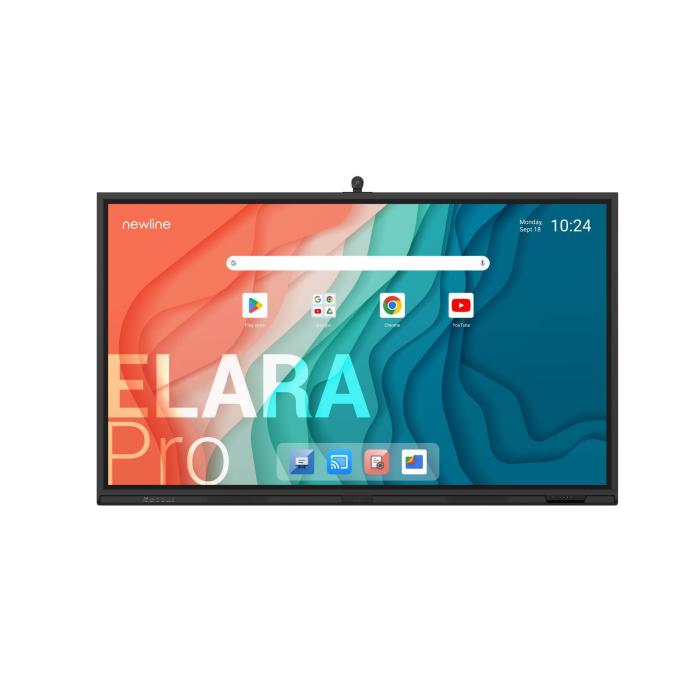
Newline Elara Pro 86" 4K: The interactive whiteboard transforming your classroom
4 September 2026
Discover the Newline Elara Pro 86" 4K interactive whiteboard: 50-point multi-touch, built-in Android and integrated audio for classrooms and meeting rooms.
Read more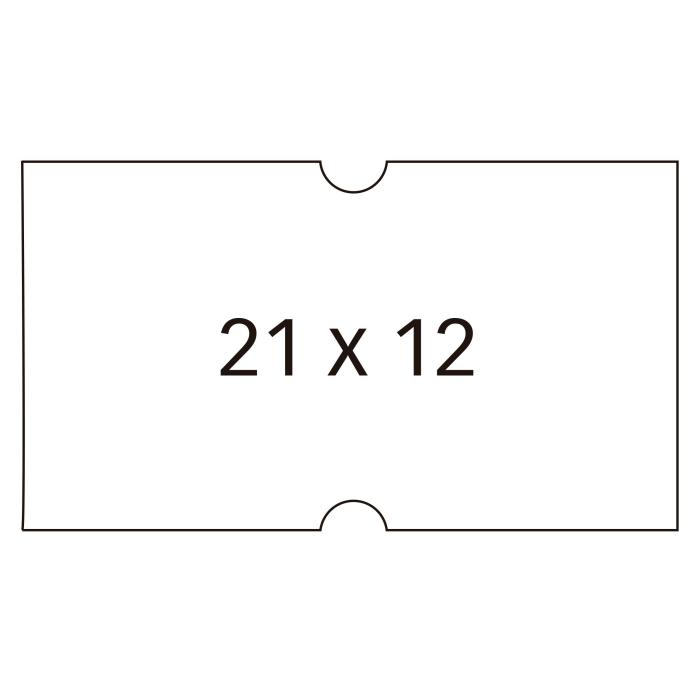
APLI Labels: Quality and Price for Your Office
4 September 2026
Looking for reliable labels to organise your office, files or products? APLI labels are the top choice for thousands of professionals and households across Europe, offering a comprehensive range of sizes and strong adhesion.
Read more